Food4Alps: A transformative approach towards resource-efficient food systems in the Alpine region using institutional food providers as drivers of change
Funding programmeInterreg Alpenraumprogramm 2021-2027 | Lead PartnerCity of Vienna - Environmental Protection | Duration01.07.2026 – 30.06.2029 |
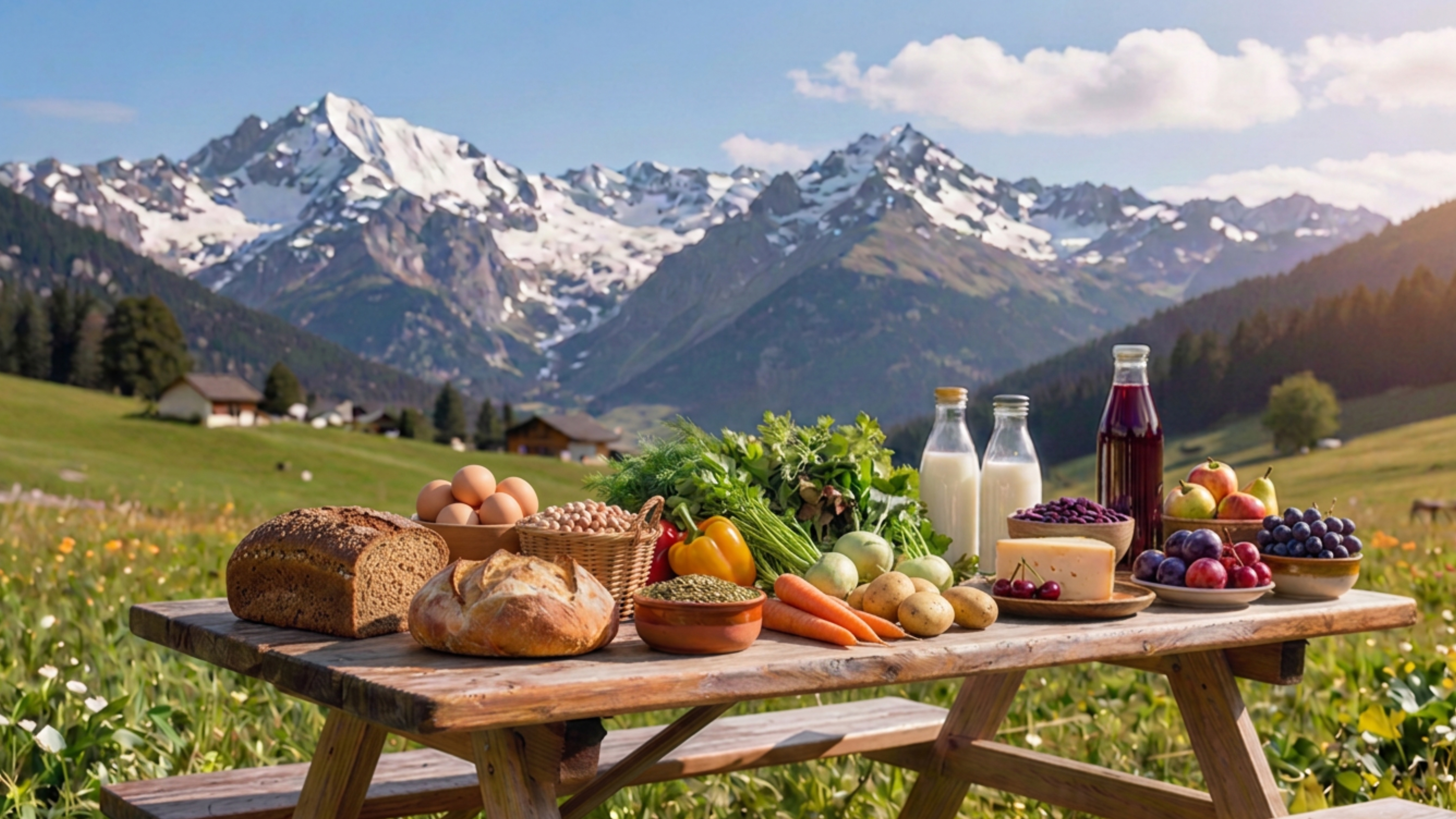
Food4Alps brings together public authorities, producers, institutional food providers and other food system actors from across the Alpine region to develop, test and scale practical solutions for more resource-efficient, resilient and health-promoting food systems.





EuroVienna's services
Application:
EuroVienna was already closely involved in the development of Food4Alps during the two-stage application phase, working together with the Lead Partner and the project partners on the content as well as the structural and administrative development of the application. The work included in particular:
- Contribution to the conception and structuring of the project, in particular to the development of the Work Packages and the intervention logic, activities and deliverables reflected therein;
- Development of the application content and coordination of the application, including the compilation, editing and quality assurance of contributions from the project partners;
- Development and coordination of the project budget;
- Organisation and facilitation of coordination meetings, workshops and other consortium meetings for the joint development and finalisation of the application;
- Advice on the requirements of the funding programme and their consideration in the design of the application;
- Ongoing coordination with the funding programme together with the Lead Partner, including participation in discussions with the programme and consideration of feedback throughout the further application process.
Project implementation:
As part of the international project partnership, EuroVienna is involved in all three work packages of Food4Alps. Its work covers three key areas:
Project Management: EuroVienna is part of the project management team and contributes to the ongoing coordination of the project. It manages the shared project management platform, monitors progress, deadlines, milestones and risks, and supports project monitoring as well as the preparation and quality assurance of progress and financial reports. EuroVienna also organises project meetings, workshops and the annual transnational meetings.
Communication Management: As Communication Manager, EuroVienna coordinates the development and implementation of the communication and dissemination strategy. It also plans and coordinates communication activities with the project partners, manages the project website, LinkedIn page and other communication materials, monitors communication indicators (KPIs) and ensures compliance with the Interreg Alpine Space programme’s communication requirements.
Thematic Work: EuroVienna contributes its expertise in governance and cross-border cooperation and helps develop joint approaches for the Alpine region. It connects relevant stakeholders, develops exchange formats and organises the transnational market dialogue, involving its existing contacts in the business and tourism sectors. In addition, EuroVienna coordinates lobbying and policy activities together with the project partners to bring project findings into policy discussions. Together with the City of Milan, EuroVienna leads the Food Education & Food Waste Campaign.
Project summary
The Alps have a rich food heritage, diverse local producers and valuable natural resources. Yet fragmented value chains, food waste, globalised supply chains and unsustainable consumption prevent Alpine food systems from reaching their full potential.
Food4Alps addresses these challenges by connecting actors across the food system and supporting cooperation between public authorities, producers, institutional food providers, researchers and other practitioners.
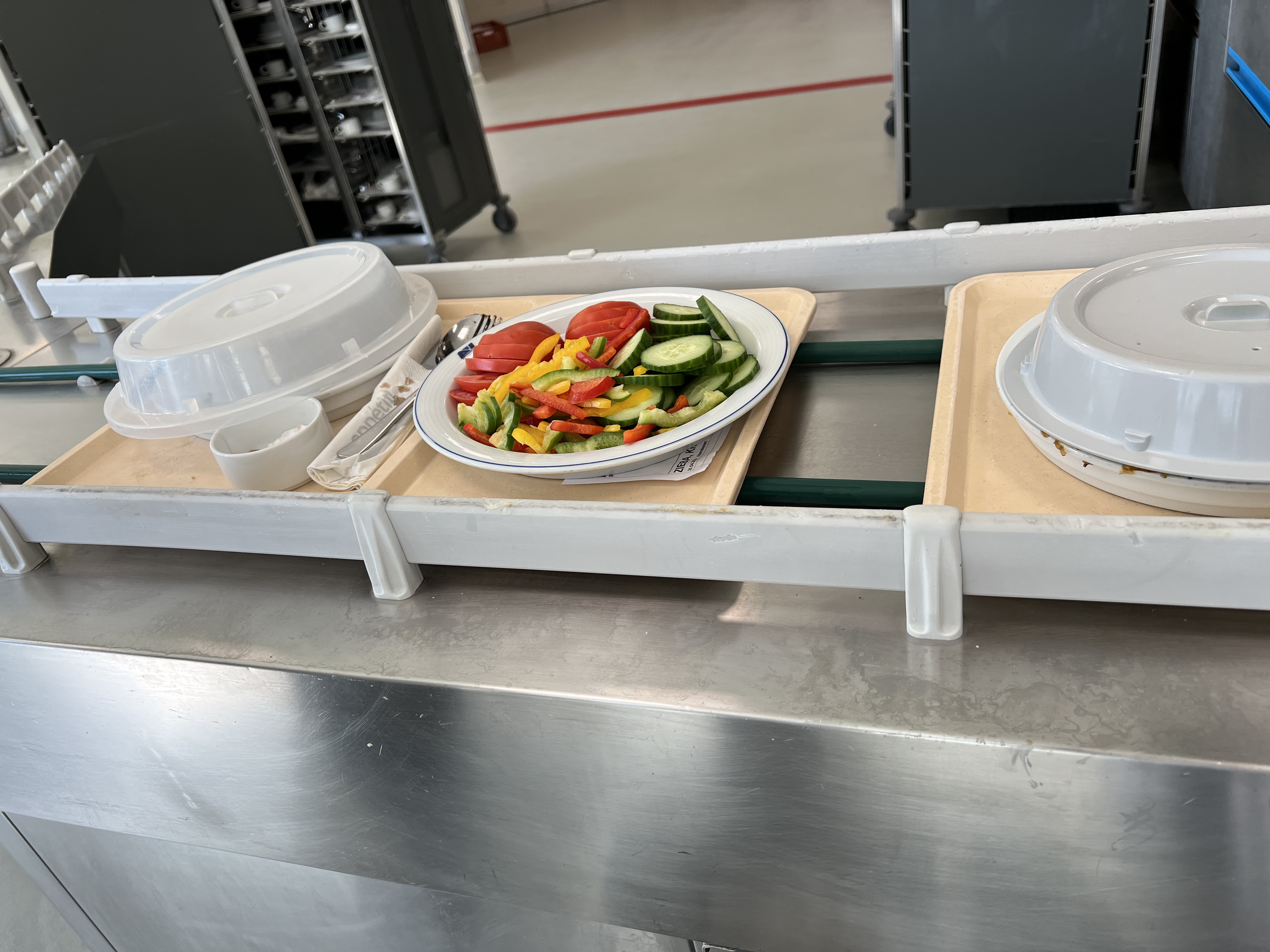
The project develops and tests practical solutions in real-life settings, with a particular focus on institutional food providers such as schools, hospitals and care facilities. Activities include approaches to reduce food waste, strengthen sustainable public food procurement, improve cooperation between producers and public buyers, and support healthier and more sustainable food choices. The project also explores how environmental impact monitoring can help institutions make more informed decisions about their food services and procurement.
Through cross-border cooperation, capacity building and knowledge exchange, Food4Alps aims to turn local experience into solutions that can be applied and scaled across the Alpine region.
Results and impact
Food4Alps will deliver five key outputs:
- Whole Alpine Food Approach (WAFA): the WAFA approach will be developed and piloted in 30 institutional food providers (IFPs) across six Alpine countries, demonstrating how institutions can apply healthier and more sustainable food systems.
- WAFA Framework: a common framework for healthier and more sustainable food consumption in IFPs, providing a structured basis for applying the Whole Alpine Food Approach, will be developed.
- Food Waste Reduction & Food Surplus Redistribution Pilot: a pilot action implemented in 30 IFPs to test practical approaches for reducing food waste and increasing the redistribution of food surplus will be implemented.
- Reduce & Reuse Toolkit: a practical toolkit for IFPs, translating the experience and lessons from the food waste and surplus redistribution pilot into tools and guidance that can be applied beyond the pilot institutions will be drafted.
- Alpine Governance Recommendation Package: recommendations for decision-makers at different governance levels, including EUSALP, supporting resource-efficient and protein-diverse food systems will be issued.
Through these outputs, Food4Alps aims to contribute to more resource-efficient and resilient food systems, stronger regional food value chains, healthier and more sustainable food environments, and reduced food waste. The transnational approach enables partners to share knowledge and experience across the Alpine region, while targeted dissemination and policy work will connect the project results with stakeholders and decision-makers across sectors and governance levels. This will support the transfer and uptake of tested solutions beyond the 30 pilot institutions and contribute to wider systemic change.
Project partners and project area:
- Austria
- City of Vienna - Department for Environmental Protection (Lead Partner)
- EuroVienna EU-consulting & -management GmbH
- ZUKUNFT:ESSEN – Gutes Schulessen für alle!
- Germany
- City of Freiburg im Breisgau
- Speiseräume – Büro für angewandte Ernährungspolitik gGmbH
- France
- City of Lyon
- Italy
- City of Milan
- MAGMA Srl Impresa Sociale
- Slovenia
- DEOS d.o.o. – Comprehensive Care for the Elderly
- BSC, Business Support Centre, L.t.d., Kranj
- Chamber of Commerce and Industry of Slovenia – Chamber of Agricultural and Food Enterprises
- Switzerland
- University of Bern – Centre for Development and Environment
Project budget:
This project is co-funded by the European Union through the Interreg Alpine Space programme:
Total project budget: EUR 2,703,609.94
Total EU contribution: EUR 1,947,067.43
Website:
